If I were starting software engineering in 2026, This is how I'd do it

I've been thinking about this a lot lately.
Everywhere I look, people are either overly excited about AI or quietly anxious about it.
Beginners are confused, experienced folks are recalibrating, and almost everyone is asking the same question in different ways…
Does it really make any sense to learn software engineering now? also if so then how to do it, so that one can't get replaced by AI.
Now since X has opened the article section for people who are using X premium, I thought why not to publish my first article on this topic only.
So here I'm writing this article, and breaking down in points so that it'll become easier for every type of reader to understand.
"Now if I were to start from scratch today, with all the AI tools available out there, this is how I'd learn software engineering."
1. I'd accept that AI can influence how you learn, now what you must learn
AI can write code. it can scaffold projects. it can autocomplete entire functions before you finish the thought.
That's real, and pretending otherwise is pointless.
But here's the thing… none of that removes the need to understand what's happening. If anything, it makes shallow knowledge more dangerous.
So instead of fighting AI or trying to outrun it, I'd accept it as a part of the environment… like the internet, compilers or Git.
THE GOAL WOULDN'T BE TO PROVE I CAN CODE WITHOUT AI. THE GOAL WOULD BE TO MAKE SURE I DON'T BECOME USELESS WITH IT.

2. I'd learn fundamentals by building, not in isolation
I wouldn't lock myself into months of pure theory. not because as it doesn't matter… it matters a lot, but spending countless hours on theory just to be good at core fundamentals isn't the right path in today's Era.
Instead, i'd do both things together.
I'd spend more time coding, breaking things, and building small but real projects and understanding fundamentals as they show up in the progress
When something feels confusing, I'd pause and ask:
- What's actually happening under the hood?
- Why does this behave the way it does?
That’s when concepts like memory, networking, or concurrency stop being abstract ideas and start becoming tools. I wouldn’t aim for academic depth upfront. I’d aim for working understanding, earned through use.
Because fundamentals stick far better when you’ve felt the pain they’re meant to solve.
3. I'd pick one stack and stick with it longer than feels comfortable
If I were starting again, I'd resist the urge to "explore everything."
Rather, i'll understand the market, which part of tech is on boom and can be lucrative to learn (from developer's job perspective)
I’d pick one reasonable stack and stay with it long enough to experience very real, very practical problems, like:
- shipping something that works… and then realizing a small change breaks three other things
- building a feature that feels fine at first, but slowly becomes sluggish as data grows
- revisiting code I wrote a few weeks ago and struggling to understand my own decisions
Those moments are uncomfortable, but they’re incredibly educational.
They teach you:
- how systems behave over time
- how small design choices compound
- why clarity and structure matter "Depth builds intuition, and intuition is the one thing AI can’t hand you."
4. I'd use AI as thinking partner, not an answer machine
I wouldn't throw tasks to AI and copy the output blindly, I'd rather use it the way I wish I had a senior engineer early on…

Like…
- “Does this approach make sense?”
- “What edge cases am I missing?”
- “Why is this design a bad idea?”
AI is surprisingly good at helping you think, if you already try to think first. "The moment you stop thinking and only accept answers, you stop growing."
5. I'd build small, real slightly uncomfortable things & DEFINITELY LEVERAGE OPEN-SOURCE CODEBASES
Not tutorial clones, not portfolio padding. Real projects with stakes… even if the stakes are tiny. Things I'd actually use, Things that can fail, Things that force me to debug at 2 am.
The point is to build something by myself, solving some real problem out there, going deep into an actual repository, a codebase that's solving some real problem, reading code written by others.
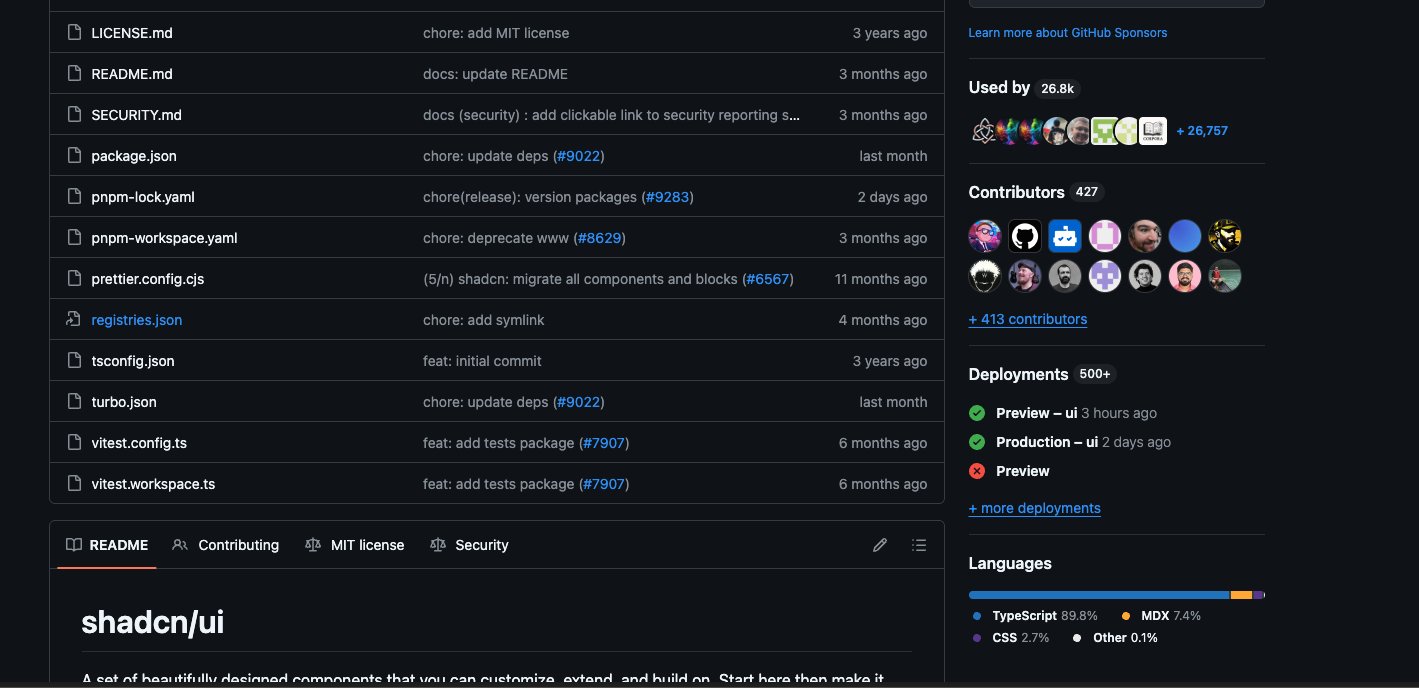
Open source teaches you things solo projects often don’t:
- how real systems are structured
- how decisions age over time
- how other engineers think through trade‑offs
Building your own things teaches ownership. Reading and touching other's code teaches perspective. Both together accelerate learning in a way tutorials never will.
6. I'd spend more time reading code than writing it
This is quite underrated and I've seen that many beginners lack this skill…
Good code teaches restraint, Bad code teaches consequences.
I’d read:
- open source projects that are actively maintained
- code written by people clearly better than me
Over time, you start developing taste, and taste quietly shapes everything you write.
I've you've come this far and you're still reading this, the next few points which I'm going to share with you are my personal favorites.
7. I'd learn debugging before chasing performance or scale
Most beginners want to optimize early, I wouldn't. I’d first learn how to:
- reproduce bugs
- isolate variables
- reason step by step
In the AI era, the hardest problems aren’t about writing code… they’re about figuring out why something doesn’t behave the way you expect.
8. I'd surely document what I'm learning, even if no one reads it
Documenting your journey is something that is quite underrated, and I'd encourage you all to please start documenting your journey.
NOT FOR ENGAGEMENTS, NOT FOR AN AUDIENCE… BUT FOR CLARITY.
Writing forces honesty. It exposes what you don’t actually understand yet, and that feedback loop is invaluable.
9. I'd play the long game
I wouldn’t rush. I wouldn’t chase trends. I wouldn’t panic every time a new model drops. AI rewards people who:
- think clearly
- learn patiently
- go deeper than necessary
Those qualities compound quietly.
FINAL THOUGHTS
If I were starting again, I wouldn’t try to compete with AI.
I’d focus on becoming someone who:
- understands systems
- asks better questions
- can tell when something is wrong
AI will keep improving, but engineers who can think, reason, and debug will always matter. That’s how I’d learn software engineering today, and honestly… it’s still how I try to learn.
NOW IF THIS ARTICLE WAS HELPFUL TO YOU, AND YOU FOUND IT MEANINGFUL… CONSIDER FOLLOWING ME FOR MORE THANK YOU!